
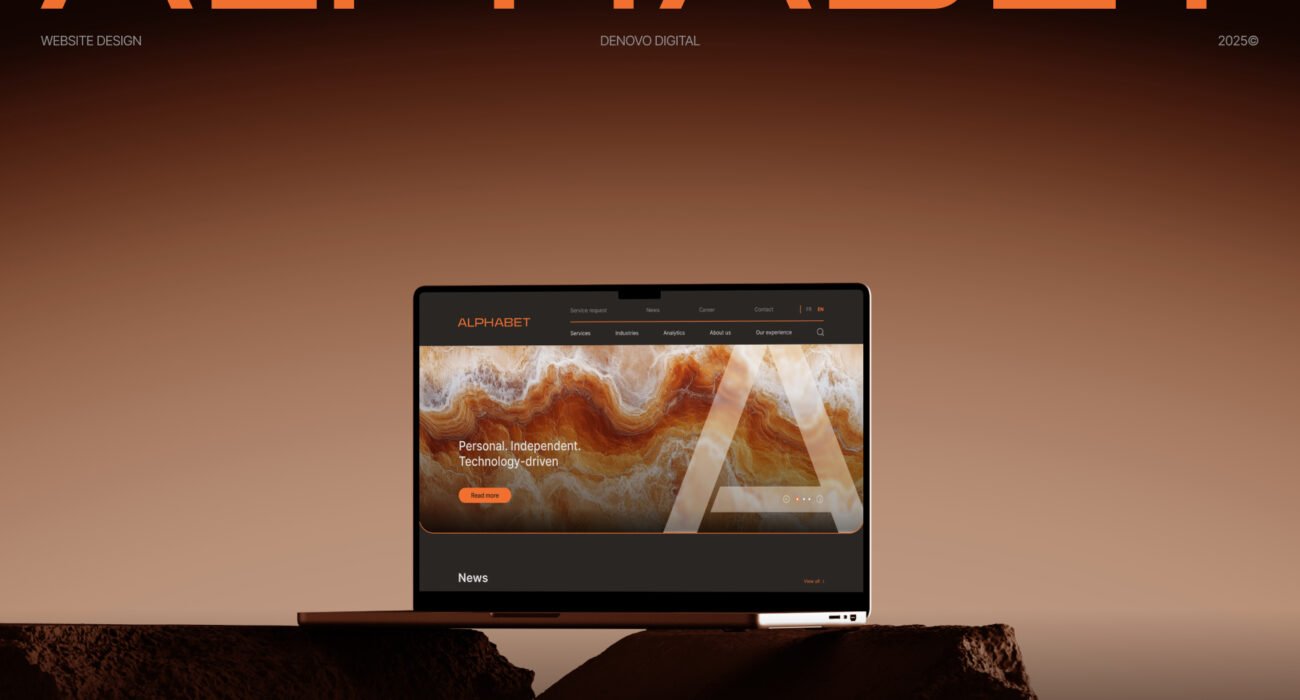
Brand strategy in the digital age is about more than having a website or a social presence — it’s about coherence across every surface.
Having a website is not the same as having a digital presence. Having a digital presence is not the same as having a brand that works online. These three things are often confused, and the confusion is expensive.
Here’s what businesses operating in 2025 and beyond actually need to think about — beyond the website.
What a Strong Brand Strategy Looks Like Online
Further reading: Wikipedia: Brand Strategy · HubSpot: Brand Strategy
Your Website Is Not Your Brand. It’s One Surface.
The website is the most visible surface of your brand, but it’s not the brand itself. Before a potential client reaches your website, they may have seen you on LinkedIn, read a recommendation, noticed your name in an industry context, or seen your email signature. Before they contact you, they may have visited your site three times over six months.
Each of those touchpoints is a brand moment. And if the visual language, the tone, and the message are inconsistent across them — if the LinkedIn page looks different from the website, which sounds different from the proposal template — the impression is of a disorganised company, regardless of how good the underlying work is.
Digital brand consistency is not a design problem. It’s an organisational problem. Who owns each channel? Who enforces the standards? When those questions don’t have answers, the brand drifts.
Speed and First Impressions
Research consistently shows that visual impressions form in under a second. Before anyone reads a single word on your website, they’ve already made a judgement about whether this is the kind of company they trust. That judgement is almost entirely visual.
This is why investing in design quality is not vanity. It’s the cost of entry in markets where the quality of the service can’t be assessed until after the purchase. For businesses in consulting, finance, legal, premium services, and real estate, the visual impression is doing heavy lifting in the evaluation process — because there’s nothing else to evaluate before the relationship begins.
Content That Actually Works
Most business content exists to fill space. Long blog posts that say nothing specific. LinkedIn updates that restate industry news without a point of view. “Thought leadership” that contains no actual thoughts.
What works is specific. A point of view on a real problem your clients face. An honest account of how a project went — what was hard, what was learned. A clear explanation of something most people in your industry explain badly. Content that’s useful gets read. Content that signals expertise gets saved, shared, and remembered.
The bar is lower than people think, because most business content is so generic. Being specific puts you ahead of most of your competitors without requiring a large content operation.
The Platforms You Actually Need (And the Ones You Don’t)
Most businesses are on too many platforms and present poorly on all of them. The logic seems sound: more presence, more reach. In practice, a half-maintained LinkedIn profile does more damage than no presence at all, because it suggests a company that started something and lost interest.
For B2B service businesses — consulting, legal, finance, premium services — LinkedIn is the only social platform that reliably matters. A well-maintained profile with consistent, specific content reaches exactly the right audience. Everything else is optional and probably a distraction.
For consumer brands — beauty, wellness, real estate, lifestyle — Instagram remains the primary visual platform. The quality of visual content there is a direct proxy for brand quality in the minds of the audience.
Pick the platform your clients actually use. Be excellent on that one before adding others.
When to Invest in Design vs. Marketing
This is a question I get regularly, and there’s no universal answer — but there’s a useful heuristic. If people who know you or are referred to you convert well, but you struggle to attract people who don’t know you, the problem is probably marketing reach. If you’re generating traffic or enquiries but not converting them, the problem is probably brand — the impression you make isn’t matching what people hoped to find.
Spending on marketing to drive traffic to a brand that doesn’t convert is a leak. Fix the bucket before increasing the flow.
If you’re reviewing where to invest next in your digital presence, talk to us. We’ll give you an honest view.